

News
21
Aug
How PPE Vending Machines Cut Waste, Improve Compliance, and Save Facilities Money
Introduction: The Real Cost of an Open Supply Shelf
Ask a facility manager how much their site spends on PPE annually, and most can answer with a specific number. Ask them how much of that supply is actually used efficiently versus over-consumed, taken in bulk, or simply lost to an unmonitored open shelf, and far fewer have a real answer. That gap is exactly where a PPE vending machine earns its cost, often faster than facilities expect.
Problem 1: Uncontrolled Bulk Removal
When PPE sits on an open shelf, there's no natural limit on how much any one person takes at a time — and without a limit, consumption tends to drift upward, not because people are being deliberately wasteful, but because "take a few extra just in case" is a completely rational response to unlimited access.
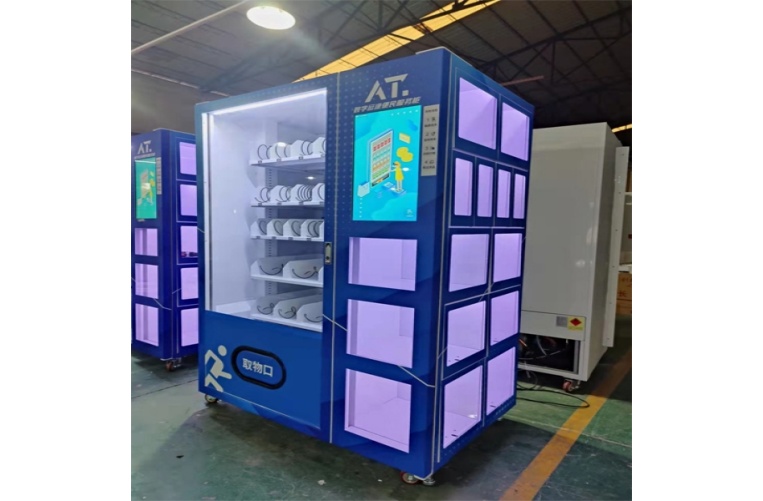
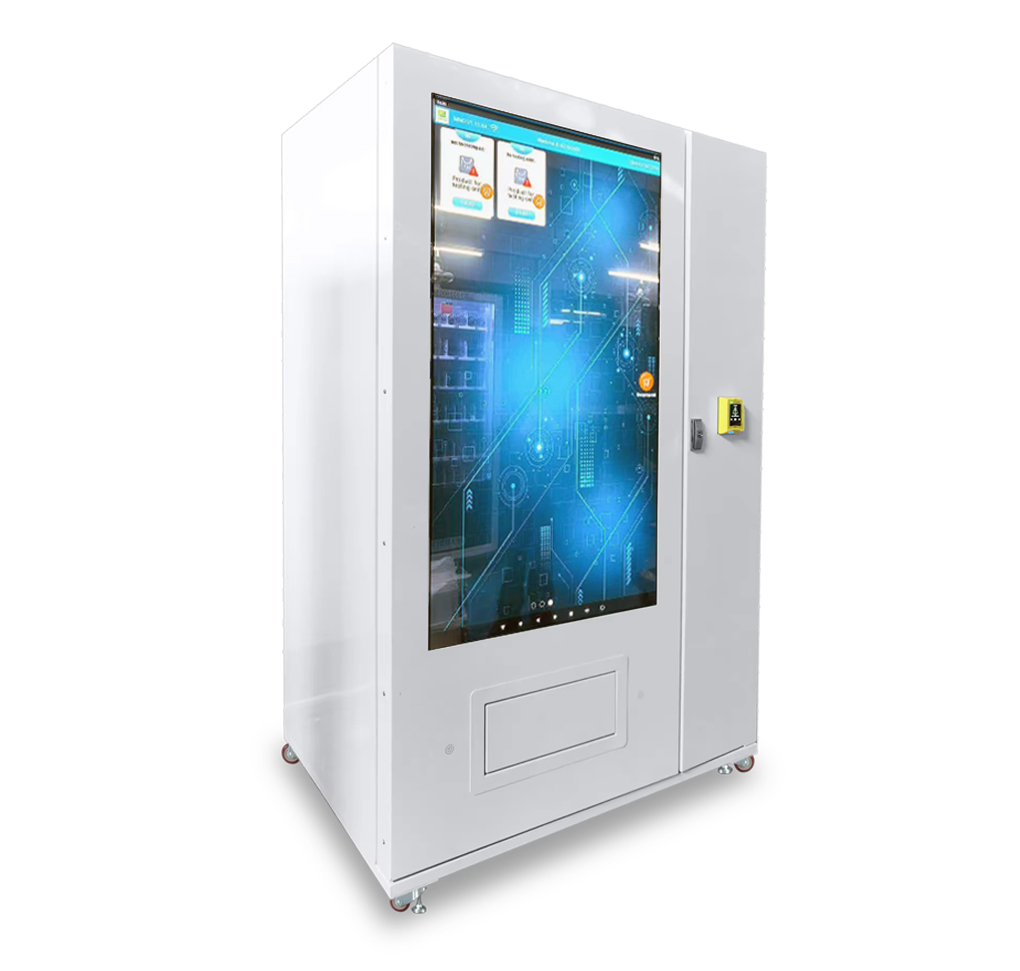
How a vending machine fixes it: Each dispense is a discrete, tracked transaction rather than an open grab from a bin. Facilities can configure quantity limits per transaction or per time period, which directly curbs the kind of casual over-taking that a supply shelf has no mechanism to prevent.
Problem 2: No Visibility Into Who's Using What
Most supply closets have no record connecting a specific employee to a specific item at a specific time — which means when consumption spikes, there's no way to identify why, or whether it's a legitimate operational need or simply waste.
How a vending machine fixes it: A smart employee system records the purchaser's identity, the specific item taken, and the time of the transaction for every dispense. This turns an invisible cost into a reviewable data set — facility managers can download sales reports and actually see which departments, shifts, or individuals are driving consumption, rather than guessing.
Problem 3: Reactive, Not Proactive, Restocking
Manual supply closets are typically restocked on a fixed schedule or, worse, only after someone notices the shelf is empty — which either means overstocking "just in case" (tying up budget in unused inventory) or understocking and creating a compliance gap when supplies genuinely run out.
How a vending machine fixes it: Real-time remote inventory monitoring means facility managers know exactly what's running low, and can restock proactively based on actual usage data rather than guesswork or a fixed calendar schedule that doesn't match real consumption patterns.
Problem 4: No Cost Accountability Across Departments
In multi-department facilities, PPE cost is often lumped into a single general facilities budget, with no way to see which departments or shifts are actually driving the expense.
How a vending machine fixes it: Payment and tracking flexibility — including card, e-wallet, and per-transaction logging — allows facilities to allocate PPE cost by department, shift, or individual if needed, rather than treating it as an undifferentiated shared expense. Even facilities that choose to keep PPE free for employees still benefit from the usage data, since it reveals exactly where budget is going without requiring a chargeback system at all.
Problem 5: Compliance Documentation Gaps
When a safety audit asks for proof that PPE was actually distributed and used appropriately, an open supply shelf offers essentially nothing to show. Verbal assurance that "we make sure everyone has gloves" doesn't hold up well against a documentation request.
How a vending machine fixes it: Every transaction is logged automatically, creating a straightforward, exportable record that can be produced for an audit or compliance review without anyone needing to reconstruct usage history from memory or incomplete paper logs.
What the Cost Savings Actually Look Like Over Time
None of these fixes require a dramatic operational overhaul — they largely come from the same underlying shift: turning PPE distribution from an unmonitored, reactive process into a tracked, proactive one.
Reduced over-consumption from configurable per-transaction limits, rather than unlimited open access
More accurate restocking, avoiding both the cost of overstocking unused inventory and the risk of understocking critical safety items
Departmental cost visibility, making it possible to identify and address unusually high consumption before it becomes a recurring budget line nobody can explain
Audit-ready documentation, removing the scramble to reconstruct usage records when a compliance review comes up
Frequently Asked Questions
Does a PPE vending machine actually reduce how much PPE a facility uses?
It typically reduces uncontrolled over-consumption specifically — casual over-taking that happens when access is unlimited — rather than reducing legitimate usage. The result is usage that more closely reflects actual operational need.
Can PPE vending machines be configured to limit how much an employee takes?
Yes. Facilities can configure dispensing limits per transaction or per time period, which directly addresses the bulk-removal problem common with open supply shelves.
Is the cost savings worth it if PPE is provided free to employees?
Often yes, even without a chargeback system, since the value comes largely from usage visibility and controlled dispensing limits — both of which reduce waste regardless of whether employees pay for the items or receive them free as a workplace benefit.
How does a PPE vending machine help with safety compliance audits?
It automatically logs every transaction — who took what item and when — creating a documented usage record that can be produced during an audit or compliance review, rather than relying on incomplete manual logs or staff recollection.
Conclusion
The cost of unmonitored PPE distribution rarely shows up as a single obvious expense — it shows up as a slightly higher supply budget every quarter, a compliance audit with gaps nobody can fully explain, and a supply closet that always seems to need restocking sooner than expected. A PPE vending machine addresses all of it at once: controlled dispensing, usage visibility, proactive restocking, and audit-ready documentation, without adding staff or slowing down legitimate access for the people who actually need the equipment.
Ready to see what controlled PPE dispensing could save your facility? Contact our team for a configuration suited to your equipment types and workforce size.
Contact Us
📞 Phone/WhatsApp: +86 132 1355 7186
📧 Email: sales@buysmartlocker.com
Our Contact
Minno Furtniture
Customize smart storage lockers,parcel delivery lockers, key management cabinet,Vending machines,Office/School and home furniture.
-
Call For Inquiry
-
Send Us Email
sales@buysmartlocker.com
Need Help For Project!
We are ready to help your next projects, let’s work together
 WhatsApp
 sales@buysmartlocker.com
 +8613213557186